Why Your Builder-Grade Landscape Sucks
In every neighborhood, on every street, in almost every yard, the vestiges of lazy, commercially motivated landscape design decisions plague our built environment. These vestiges come in the form of plants tantamount to grocery store pop playlists broadcast over low-quality, tinny speakers that transmute danceable tracks into screeching, shrill soundscapes better suited to waterboarding activities at a CIA black site. Your builder-grade landscaping plants suck, and they are slowly torturing you until you break and call a landscape designer.
For me, the most egregious mistakes in contractor-grade planting schemes lie in the redundancy, inefficiency, and thoughtlessness applied to plant selection & placement. Rather than selecting plants that offer human or wildlife value, builder-grade plants are chosen for their unkillability, deceptive labeling by horticultural marketers as “low maintenance”, some vague nod towards an attractive form or feature, and above all else, wholesale availability and low cost.
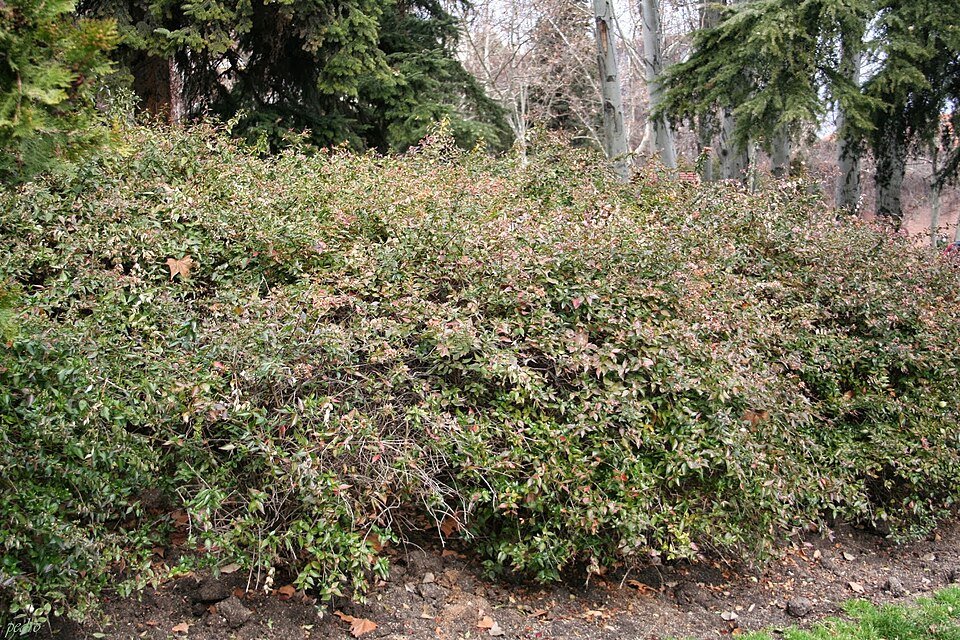
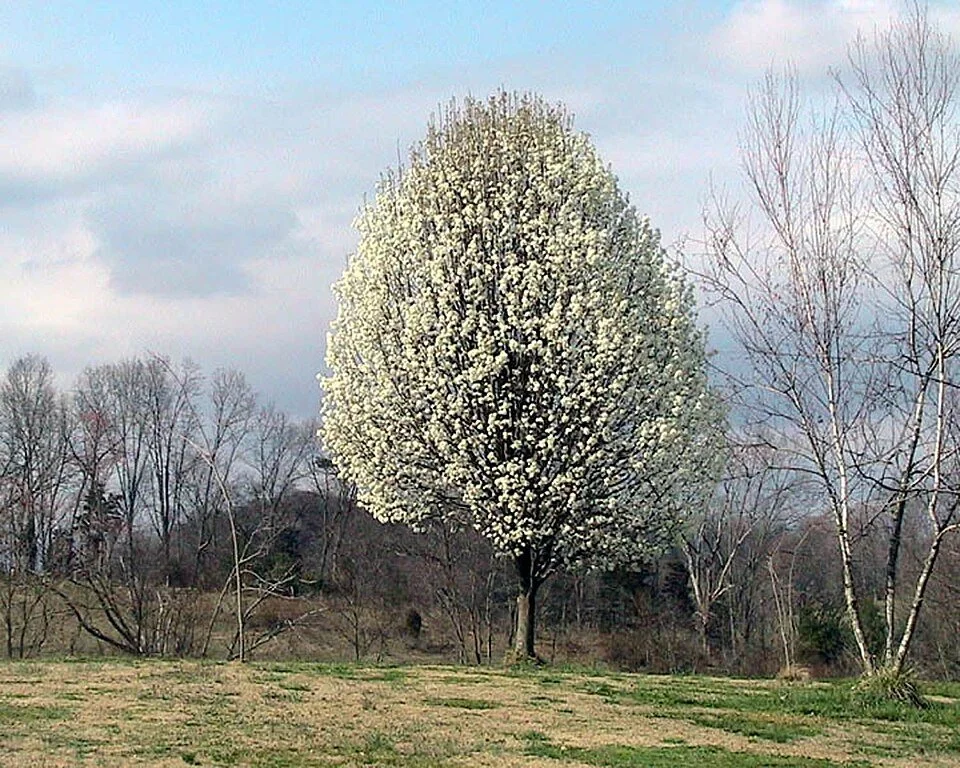
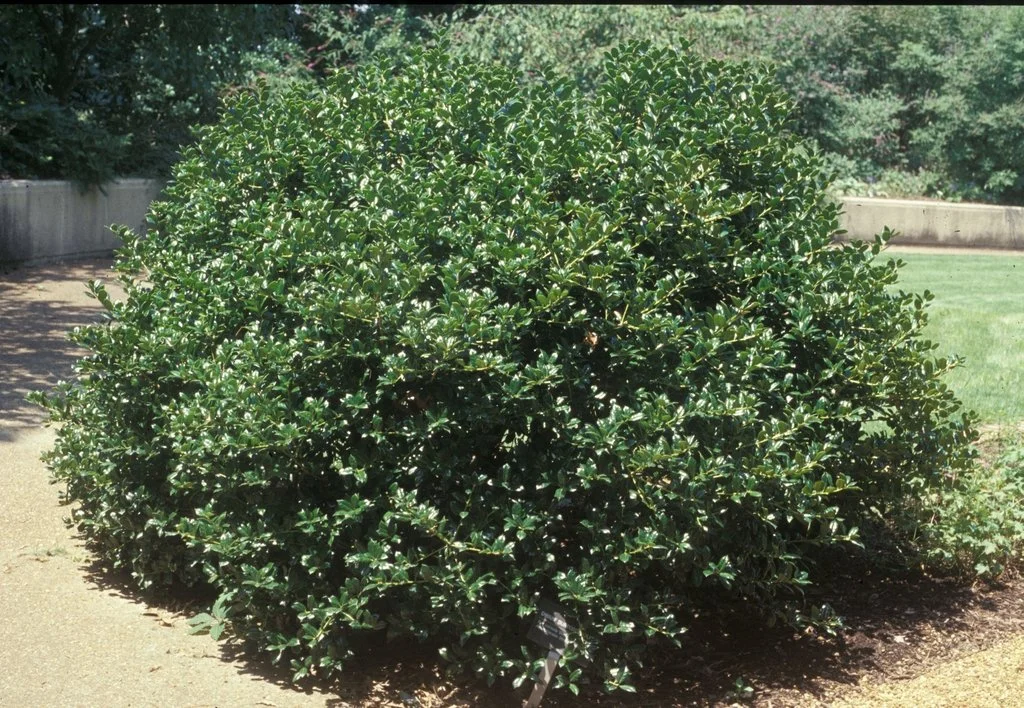
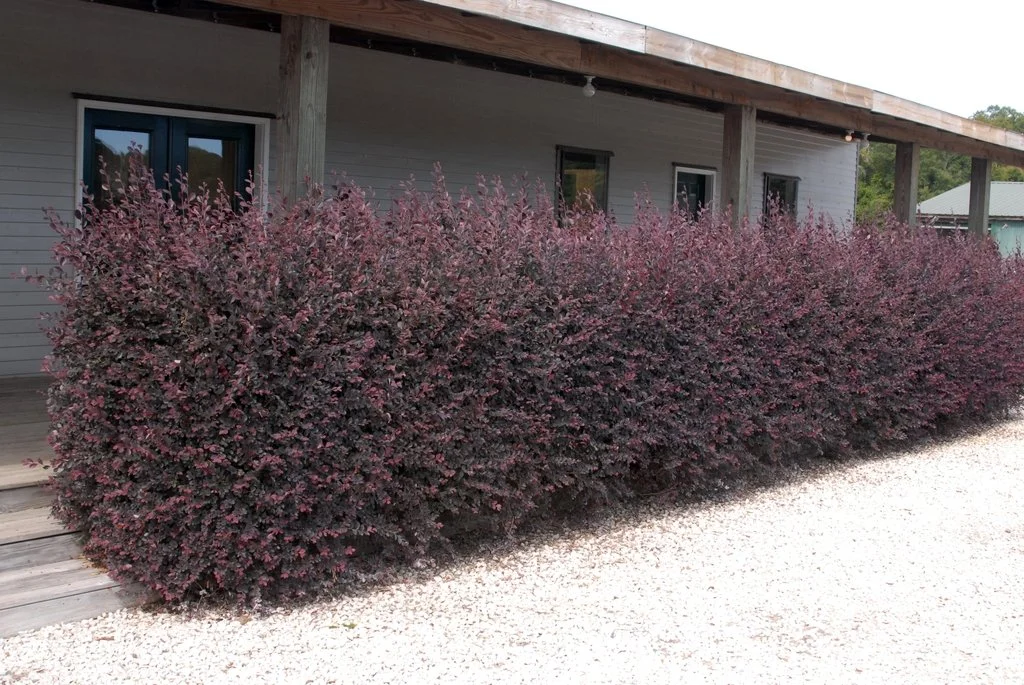
Exasperating the problem, these plants are put in inappropriate places: An ugly Bradford pear planted 20 years ago now covers the facade of a multi-million dollar house; a Chinese Holly hedge, infested with whitefly due to poor pruning practices, now stands an untrimmable 25 feet tall and appears to be ingesting entire corners of your home; patchy bermuda grass lawns increase rainwater runoff and reduce water infiltration into underground aquifers; loropetalums planted against residential structures and mulched with pinestraw serve as tinder, igniting in the event of a wildfire, which are now happening with increasing frequency and intensity each summer.
Selecting the right plants and design methods for your home requires a departure from the banal comfort of flat, lifeless lawns, lollipop trees, and gumdrop bushes. These Candyland-esque choices actively work against homeowners as they attempt to nurture a relationship with the land they occupy, resulting in frustration. Simultaneously, most clients I consult with can offer a rudimentary articulation of what they want to improve and why, but also often resist ripping out the landscapes installed when their homes were built. To a degree, I empathize with their emotional attachment to the poor landscaping choices they were sold, either by less-diligent contractors and landscapers or by big-box nurseries. Clients usually reach out to me when the landscape management issues caused by poor plant selection and placement become too difficult to address on their own. The client knows their landscape isn’t good. Still, they’re scared to remove inappropriate planting selections that hinder their aesthetic and functional goals for fear of the space looking ‘empty’ or a reduction in shade provision and weather breaks.
And this phenomenon occurs in every neighborhood, regardless of median income and home value. The same poor planting and landscape design decisions that plague $250,000 homes plague $2.5 million homes. I frequently work on large, expensive properties in “luxury” neighborhoods, where the planting selections are the same as those installed in the yards of “affordable” tract homes. I’ve since concluded that it would be preferable for homes to be sold without any landscaping. At least then, homeowners wouldn’t feel overburdened by plants that eventually outgrow their designated space and cause functional problems; the time and expense of ripping out someone else’s mistakes wouldn’t fall on homeowners; and there would be fewer difficult conversations to navigate around what it means to “do the right thing” in the landscape after clients have become emotionally attached to invasive plant specimens. Good design requires more than unconsciously developed yet strongly-held opinions about what a landscape “should” look like. Basing our design regime on aesthetics alone results in perpetual poor decision-making, leading to real, material impacts on our natural resources. Form must always follow function, and effective environmental design means cultivating the ability to critically assess and implement a design’s form, function, and future impact with equal weight.
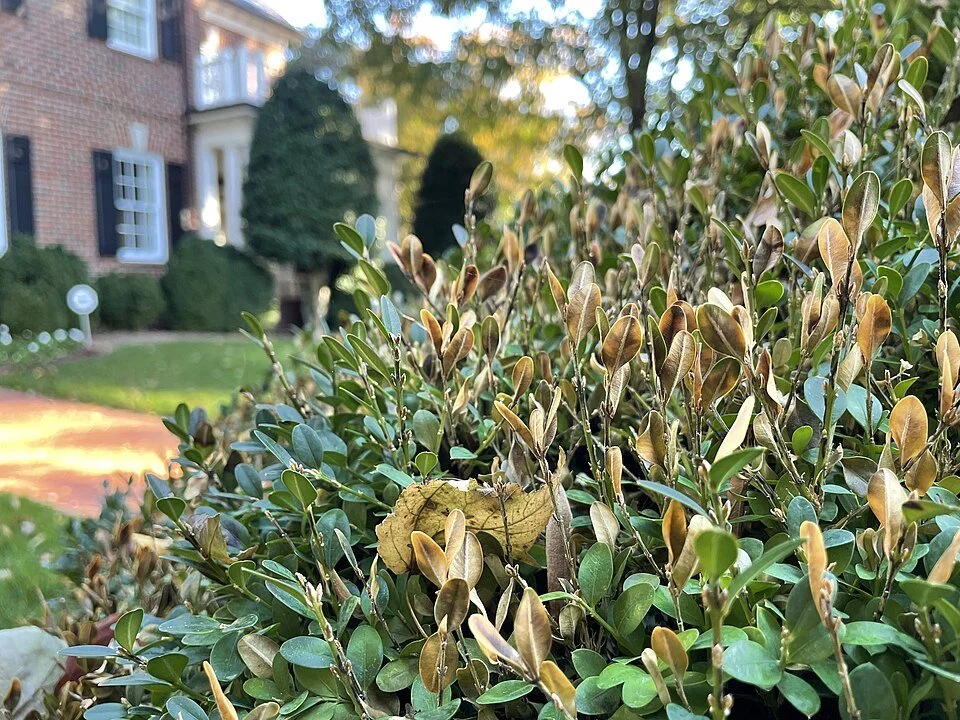
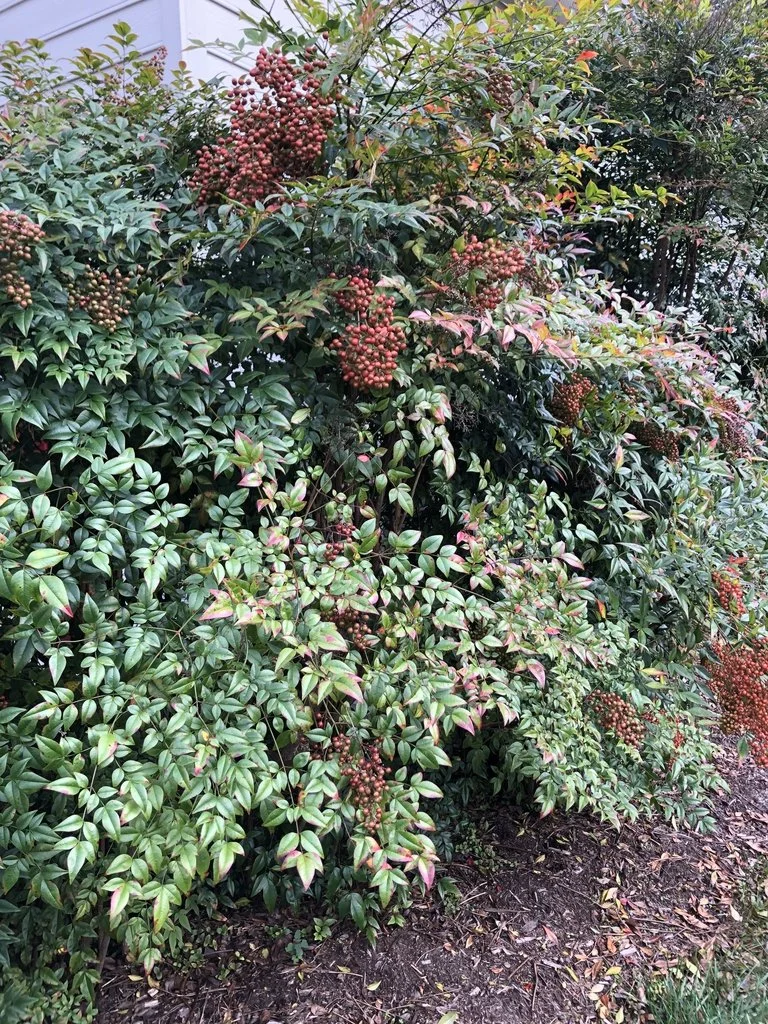
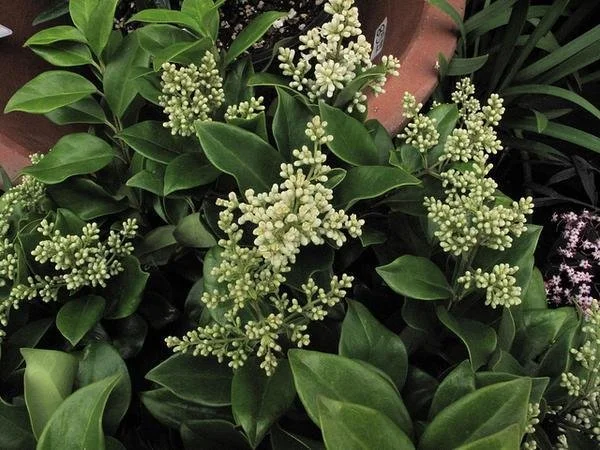
I am often struck by how quickly trends in interior design and architecture shift, while most landscape plants installed today are the same species introduced to the market in the latter half of the 20th century. Interior trends have long since rejected the musty, claustrophobic feeling of the 1970s, characterized by wood-panelled rooms appointed with avocado-green carpets and the lingering residue of cigarette smoke. So why do we insist on planting the same blight-susceptible boxwoods, invasive privet, and tacky, plasticky English ivy in 2026? Even though we’ve progressed beyond a time when women couldn’t own credit cards, we still deploy the same plants, hardscaping materials, and management practices of the ‘70s in our outdoor spaces. This is despite incontrovertible evidence that these practices do not effectively support human or ecological health, carry sincere management challenges, and pose obvious risks when striving to design climate-resilient environments.
Effectively addressing these challenges means getting comfortable with discomfort while learning to let go of outdated concepts in environmental design and management schemas. If we value our emotional attachment to plants that are actually ecologically harmful, aesthetically displeasing, and unpleasant to work with in the landscape, then we cannot seriously consider ourselves people who are invested in developing and implementing solutions to the very real existential threats presented by climate change. Water access in Moore County and across the Sandhills is becoming increasingly unreliable, largely due to development, which puts pressure on aquifers connected to private wells and municipal reservoirs that supply water to our cities. Simultaneously, aquifers and reservoirs have difficulty recharging due to increased runoff from impermeable surfaces like roofs, driveways, and roads. Meaningfully addressing these issues starts with the understanding that things have to change, and that giving primacy to our emotional investment in the aesthetic arrangement of the contemporary built environment is fundamentally irrational in the face of intensifying weather patterns.
But here’s the good news: There are active steps that we can take to remedy these problems. Over the next few months, I plan to publish practical guidance on the SNP blog to help the public better understand the pitfalls of our current landscape management practices and how to think critically about the remedial work required to correct decades of construction habits that I can only describe as careless. Fixing the slipshod work that’s been permitted in the built environment demands objectivity in the face of our changing ecological conditions. Meeting the moment means being critical about what isn’t working in our landscaped spaces; mitigating historic mistakes by replacing invasive species with suitable natives; consciously cultivating a deeper aesthetic that weighs form, function, and plant provenance equally; and fostering a local, unique sense of place in the built environment.
Contractor’s Special
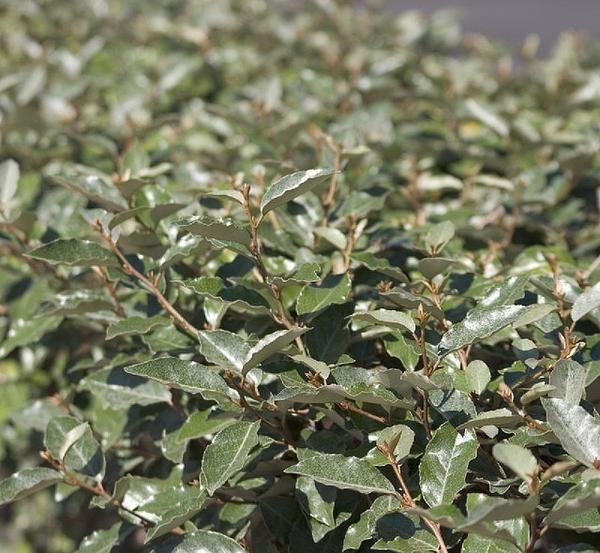
Common Landscape Plants Installed by Developers